Payment on delivery · Delivery across Ontario
Quality furniture delivered across Ontario
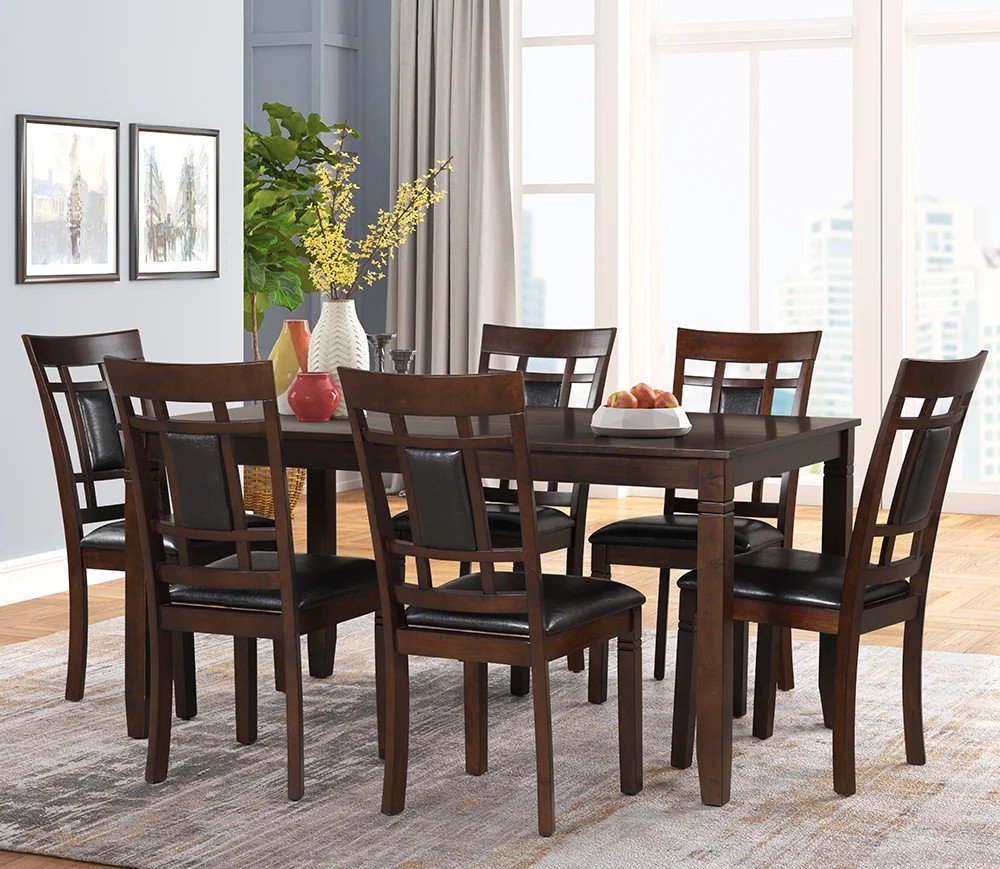
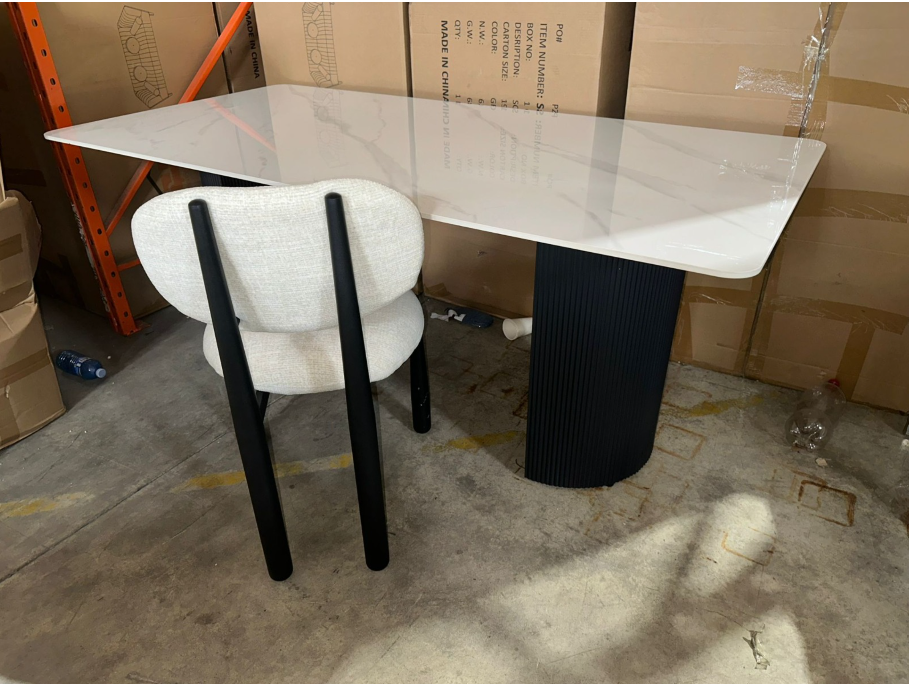
Marble dining table with seven chairs in beige

Marble vs Ceramic vs Sintered Stone vs Wood: Which Dining Table Top Survives Daily Life?

A dining table top is the hardest-working surface in most Ontario homes. It takes hot plates, coffee rings, homework, craft projects, red sauce, and a knife that somebody definitely should not have used directly on the table. The top material decides how much of that daily life shows up afterwards. Here is a plain comparison of the four materials Cozy Ontario actually sells — marble, ceramic, sintered stone and wood — and which one suits your household.

The quick answer

If you want the easiest daily life, pick sintered stone or ceramic. If you want the most natural, one-of-a-kind look and you are willing to look after it, pick marble. If you want warmth, repairability and a surface that ages gracefully, pick wood. None of them is indestructible, and every comparison that claims one material wins on everything is selling something. The right choice depends on how your household actually eats.

Marble: beautiful, unique, and high-maintenance

Marble is a natural stone, so no two tops have exactly the same veining. That uniqueness is the whole appeal, and it is why marble tops anchor formal dining rooms. The honest trade-off is porosity. Marble soaks up liquids more readily than the engineered materials, so spills — especially acidic ones like tomato sauce, wine or vinegar dressing — need wiping up quickly, and the surface usually needs sealing to resist stains. It is also softer than ceramic or sintered stone, so knives and dragged plates can mark it. Marble suits a household that eats carefully, wipes up straight away, and values the look enough to accept the upkeep. It does not suit a house full of small children eating spaghetti unsupervised.

Ceramic: the low-fuss stone look

Ceramic table tops are made by firing mineral materials at very high temperatures, which produces a hard, dense surface that looks like stone. They resist heat well, so a hot dish straight from the oven is far less of a worry than on wood, and they resist stains far better than marble because the surface is much less porous. Scratches are also less of a problem: a knife dragged across ceramic is unlikely to leave the mark it would leave on marble. The main weakness is the edge. A hard knock on a corner can chip ceramic, and a chip is harder to repair invisibly than a scratch in wood. Ceramic is the sensible middle ground for a busy family that wants a stone look without marble’s maintenance.

Sintered stone: the toughest of the four

Sintered stone is made by pressing mineral powders under extreme heat and pressure into a dense, non-porous slab. In practice it behaves like ceramic’s tougher sibling: very high resistance to scratches, stains and heat, no sealing needed, and most spills wipe away with mild soap and water. It can also mimic marble veining convincingly, which is why it has become popular for people who want the marble look without the marble upkeep. The trade-offs are the same family as ceramic’s: it is heavy, the edges can chip under a hard impact, and once chipped it is harder to repair cleanly than wood. If your table will see daily family meals, homework and hot dishes, sintered stone is usually the most forgiving choice of the four.

Wood: warm, repairable, and honest about its age

Wood — including solid wood, MDF and wood-look tops — brings warmth that stone cannot match, and it is the only material here you can realistically repair at home. A scratch can be sanded or touched up, a water ring can often be treated, and the surface develops character rather than just damage. The trade-offs are heat and water: a hot dish can mark wood, standing water can leave rings or swell MDF, and wood needs more protection from spills than stone. Wood suits households that like a natural look, use placemats and trivets without thinking about it, and would rather refinish a table in ten years than replace it.

Glass, and the question of weight

Glass also appears in the wider dining range and is worth one note: it wipes clean instantly and never stains, but it shows every fingerprint and smudge, and it needs more frequent cleaning to look good. All stone tops — marble, ceramic and sintered stone — are heavy, so check that your floor and your delivery route can handle the weight, and measure doorways before ordering. Our dining table size guide covers seats, shape and clearance, and our small-space dining guide helps if the room itself is tight.

Real Ontario models and prices

Cozy Ontario’s Dining range covers table tops in marble, ceramic, sintered stone, glass and wood, with sets from $220 to $1,650. The Marble Dining Table with 7 chairs is $1,650 in beige, a full table-and-seven-chairs set for a family dining room, with a table measuring 70.87 inches long by 35.43 inches wide. At the compact end, the Max 4 Piece Dining Table in Espresso is $430, a smaller MDF wood set for a condo dining corner. Browse the full Dining Sets range to compare tops side by side, and check each product page for the exact top material before you order — the material is listed there, not just in the headline.

Every price here is in CAD and is the final cash-on-delivery price. Delivery is available all over Ontario, with fast delivery across the GTA, and you can inspect your order before you pay. Delivery timing is confirmed with you when you order.

Not sure which top suits your household’s cooking and cleaning habits? Message Cozy Ontario on WhatsApp at +1 226-336-0249 with how many people eat at the table daily, and we will confirm the right material and size before you order.

Prices checked November 2026.
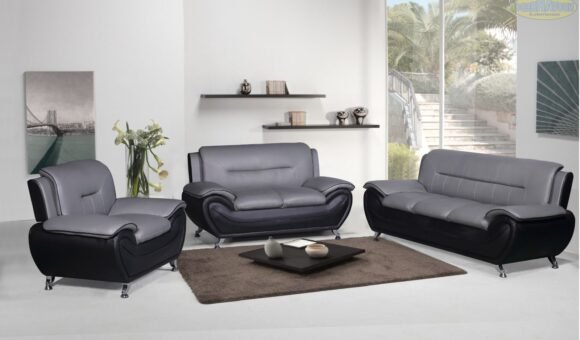
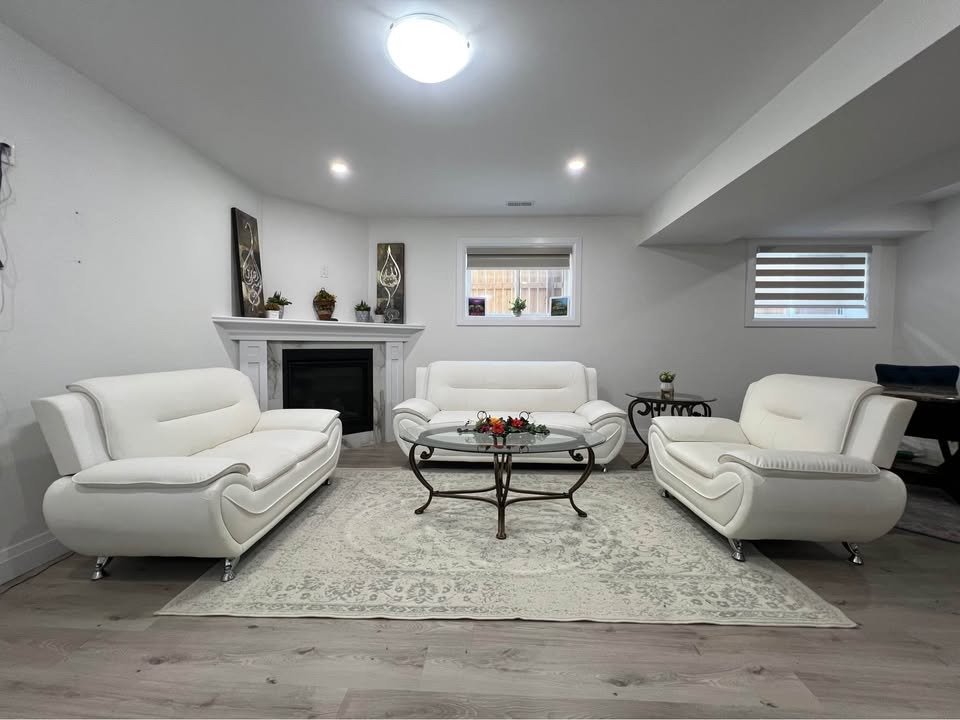
3+2+1 sofa set with three-seater, two-seater and armchair

What a 3+2+1 Sofa Set Means in Ontario

If you have been shopping for living room furniture in Ontario, you have probably seen “3+2+1” on a listing and wondered whether it is a model number, a size, or a discount code. It is none of those. It is simply a count of the seats in each piece of a sofa set, and once you know that, the whole listing makes sense. Here is the plain explanation, plus what to check before you buy a set in Ontario.

What 3+2+1 actually means

Each number is the number of seats on one piece. A 3+2+1 set is three matching pieces bought together:

  • 3 — a three-seater sofa, the main piece of the room.
  • 2 — a two-seater sofa, often called a loveseat, in the same fabric and style.
  • 1 — a single armchair, matching the other two pieces.

That is six seats in total, across three separate pieces. The point of buying them as a set, rather than three separate sofas, is that the fabric, colour, stitching and style already match. You do not have to hunt for an armchair that happens to go with a sofa you bought months earlier. The trade-off is space: three pieces need more floor than one sectional, and they need to be arranged, not just pushed against one wall.

How a 3+2+1 set differs from the other layouts

A 3+2 set is the same idea without the armchair: five seats across two sofas. It suits a smaller living room or a household of four or five that rarely needs a sixth seat. A sectional is a different shape altogether: one connected L-shaped or U-shaped piece, usually with a chaise, that fills a corner. Sectionals are covered in our guide to sectionals for small condos and our left-facing versus right-facing guide. The key difference is flexibility. A 3+2+1 set can be split across a room, moved between rooms, or rearranged when you move house. A sectional cannot — its shape is fixed.

There is also a recliner version of the same idea. In a reclining 3+2+1 set, one or more pieces recline, so check the product page for exactly which pieces recline before you assume all three do. Our recliner types guide explains manual, power and lift recliners if that is the version you are considering.

Will a 3+2+1 set fit your room?

This is where most buyers go wrong, because they measure one wall and forget the rest. Before you order, measure three things. First, the wall each piece will sit against, including space for side tables or lamps. Second, the walking routes: you need a clear path through the room, not a squeeze past an armchair. Third, the delivery route: doors, hallways, stair turns and elevator doors. Three separate pieces are actually easier to deliver than one huge sectional, since each piece travels on its own, but each one still has to fit through your door. Our measuring guide walks through all of it.

As a rough rule, a 3+2+1 set suits a medium to large living room — the kind of room where a three-seater and a two-seater can face each other or sit at a right angle with the armchair completing the conversation area. In a small condo living room, it usually crowds the space, and a single sofa or a compact sectional is the better buy. If your room is on the borderline, measure it on paper first: draw the three pieces to scale and leave the walking paths in. A set that looks right in a showroom photo can feel very different in a real room.

What to check on the product page

Count the pieces rather than trusting the headline. Some listings called a “set” are only two pieces, and some three-piece listings include an ottoman instead of an armchair. Check the fabric and colour on every piece, not just the main sofa, and check whether the set is sold only as a set or whether pieces can also be bought separately. If one piece wears out years later, knowing whether you can replace just that piece matters. Also check the seat depth and height if anyone in the household is very tall or finds low seats hard to get out of — a set that looks right can still sit wrong.

Real Ontario prices

Cozy Ontario’s shop 3+2+1 sofa sets range runs from $450 to $3,360. The Speedy Leather Faux Sofa Set 3 + 2 + 1 is $1,150, a full three-piece set in leather faux, so the whole room follows the same wipe-clean routine covered in our leather-look cleaning guide. For the wider price picture, our affordable sofa sets guide compares sets across the range.

Every price here is in CAD and is the final cash-on-delivery price. Delivery is available all over Ontario, with fast delivery across the GTA, and you can inspect your order before you pay. Delivery timing is confirmed with you when you order.

Not sure whether a 3+2+1 set fits your room, or whether a sectional would work better? Message Cozy Ontario on WhatsApp at +1 226-336-0249 with your room measurements, and we will confirm which layout suits the space before you order.

Prices checked November 2026.
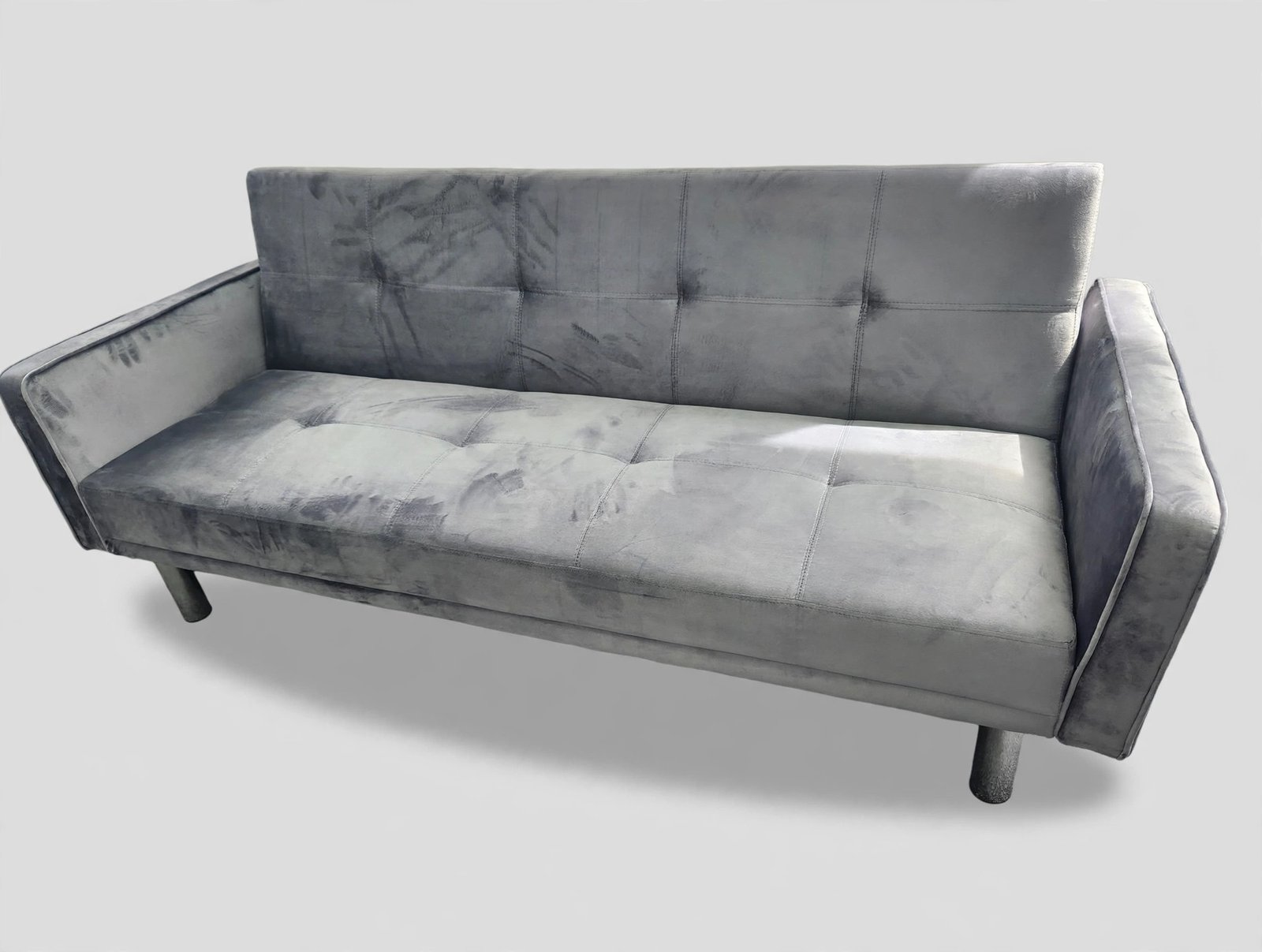
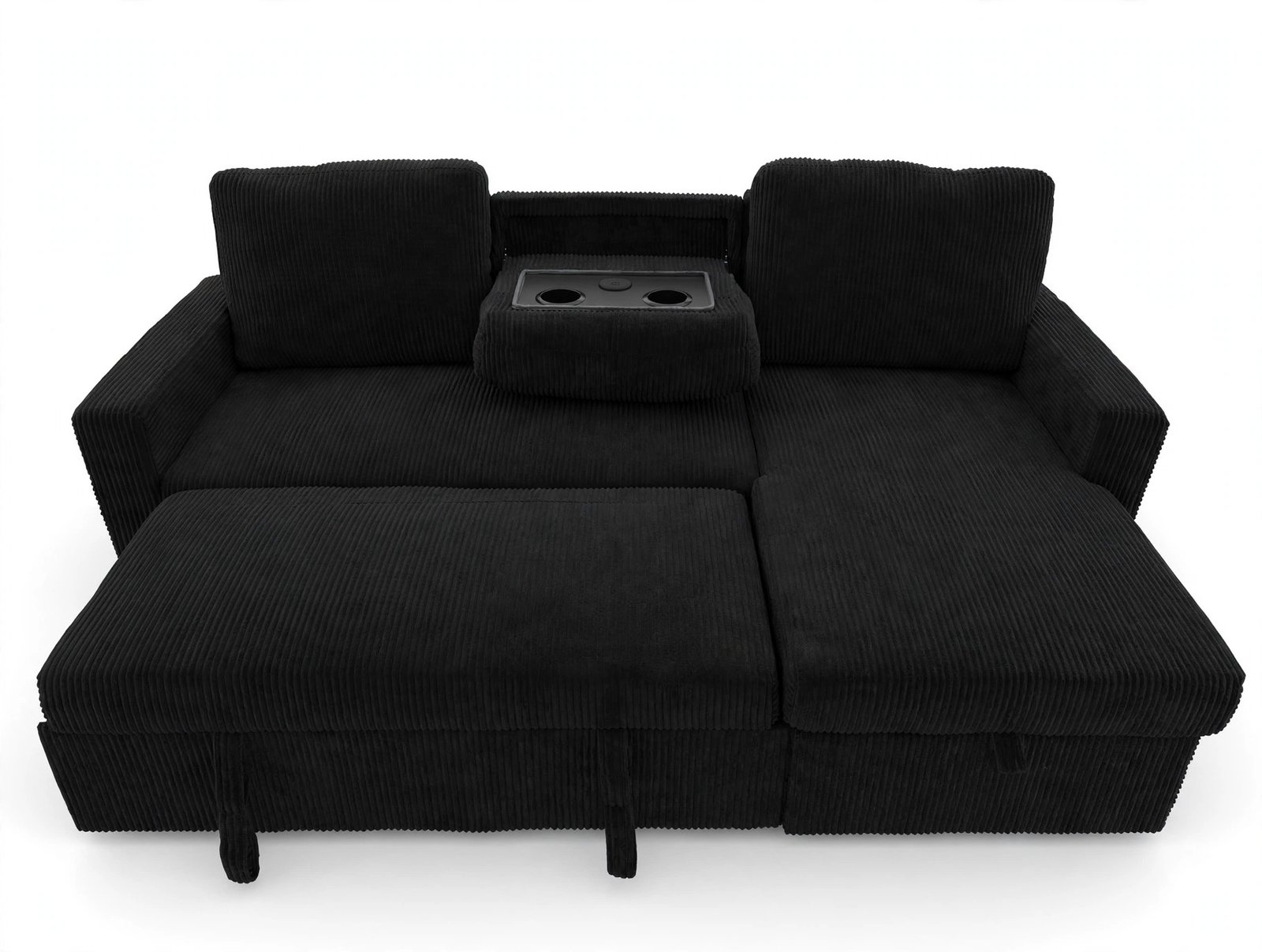
1515 sofa bed with arms in grey and black velvet

Can You Sleep on a Sofa Bed Every Night? An Honest Ontario Guide

If you live in a small Toronto condo, a studio in Mississauga, or a one-bedroom in Ottawa, the question is a practical one, not a theoretical one: can the sofa bed be your actual bed, every night? The short answer is yes, but only if you buy the right kind — and most cheap sofa beds are not that kind. Here is the honest version, with what to check before you order and real Ontario prices.

The honest answer: it depends on the sofa bed, not on you

Most sofa beds are built for guests: a few nights a month, folded away in between. Used that way, almost any of them is fine. Used every night, the weaknesses show up fast. A thin sleeping surface lets you feel the frame underneath, a weak mechanism gets harder to open and close, and a surface that was never meant to carry weight for seven or eight hours a night starts to sag in the middle. That is why so many guides disagree with each other: one is describing a well-made sofa bed, the other is describing a bargain guest model, and they are not really talking about the same product.

The dividing line is simple. A sofa bed that works every night has a sleeping surface thick and supportive enough that you do not feel bars or slats, a frame and mechanism built for daily opening and closing, and a sleeping size that actually fits the person sleeping on it. If any one of those three is missing, nightly sleep gets uncomfortable, and no topper fully fixes a bad base.

What to check before you buy for nightly use

1. The sleeping surface, not just the sofa cushions

Sit on it as a sofa, then open it and lie on it as a bed — and judge the bed, not the sofa. Lie in your normal sleeping position for a few minutes if you can, and notice whether your hips or shoulders press through to something hard. A topper helps a lot on a decent base: it adds softness and smooths out small uneven spots. But a topper cannot fix a surface that dips in the middle or a frame you can feel through the padding. If the base is wrong, keep looking.

2. The mechanism, opened and closed properly

A nightly sofa bed gets opened and closed hundreds of times a year, while a guest model might manage a dozen. The mechanism should open smoothly, lock flat without a hump in the middle, and close again without a fight. Click-clack models, which fold flat in one movement, are the easiest to live with daily because there is no separate mattress to drag out and put away. Pull-out models can sleep better in some cases, but they take more effort every single night, and effort is what makes people stop using a bed properly.

3. The sleeping size, in real measurements

Do not guess from the sofa’s overall width. Ask for the sleeper bed dimensions and compare them with the person sleeping on it, including room to turn over. A bed that is just long enough on paper feels short in practice once a pillow is added. Measure the floor space too: a sofa bed needs its full open length plus walking room around it, every night, not just on guest weekends. Our measuring guide covers doors, hallways and elevators as well, which matter just as much when the piece first arrives.

4. Who is actually sleeping on it

One light sleeper who sleeps mostly on their back will be comfortable on far more models than two people, or a side sleeper, or someone with an existing back problem. If you already have back or joint trouble, be cautious: a sofa bed is a compromise even at its best, and a proper bed with a proper mattress is the safer choice. If you are unsure, talk to your doctor before making a sofa bed your full-time bed — this guide is about furniture, not medical advice.

When a sofa bed every night makes sense — and when it does not

It makes sense in a studio or one-bedroom where a permanent bed would eat the living room, in a basement room that doubles as a lounge, or as a temporary setup for a few months while you sort out a bigger place. It does not make sense as a permanent solution if the model is a thin guest bed, if two adults need to sleep on it every night in a small size, or if you already wake up sore on a soft surface. In those cases, buy the bed first and find another way to seat guests.

If you do go the sofa-bed route, small habits make a real difference: open it fully every night rather than sleeping on it half-folded, keep the bedding on it rather than remaking it from scratch daily, rotate or flip any loose padding the model allows, and use a mattress protector so spills and sweat do not shorten the surface’s life. Our sofa bed versus futon guide explains how the different mechanisms compare if you are still deciding between types.

Real Ontario options and prices

Cozy Ontario’s Sofa Beds and Sleeper Sofas range runs from $300 to $850. The 1515 Sofa Bed With Arms is $330 in grey-black velvet, a click-clack model that folds flat, with a sleeper bed measuring 73.62 inches long by 37.79 inches wide — worth checking against your height before you order, since it is a single-sleeper size rather than a double. If budget is the deciding factor, our sofa beds under $500 guide compares the cheapest models side by side.

Every price here is in CAD and is the final cash-on-delivery price. Delivery is available all over Ontario, with fast delivery across the GTA, and you can inspect your order before you pay. Delivery timing is confirmed with you when you order.

Still deciding whether a sofa bed can be your every-night bed? Message Cozy Ontario on WhatsApp at +1 226-336-0249 with your room size and who will sleep on it, and we will confirm the sleeping size and mechanism of the right model before you order.

Prices checked November 2026.
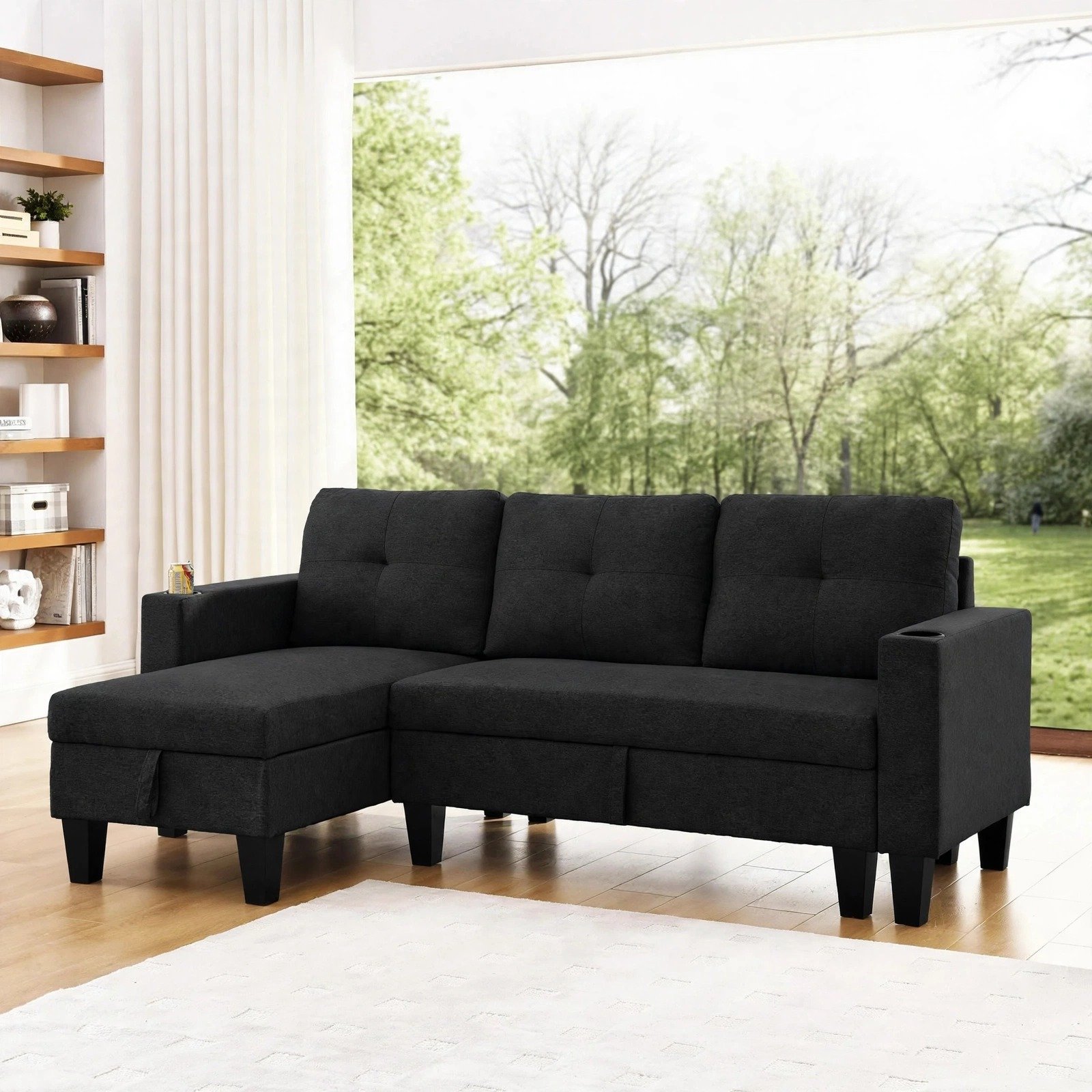
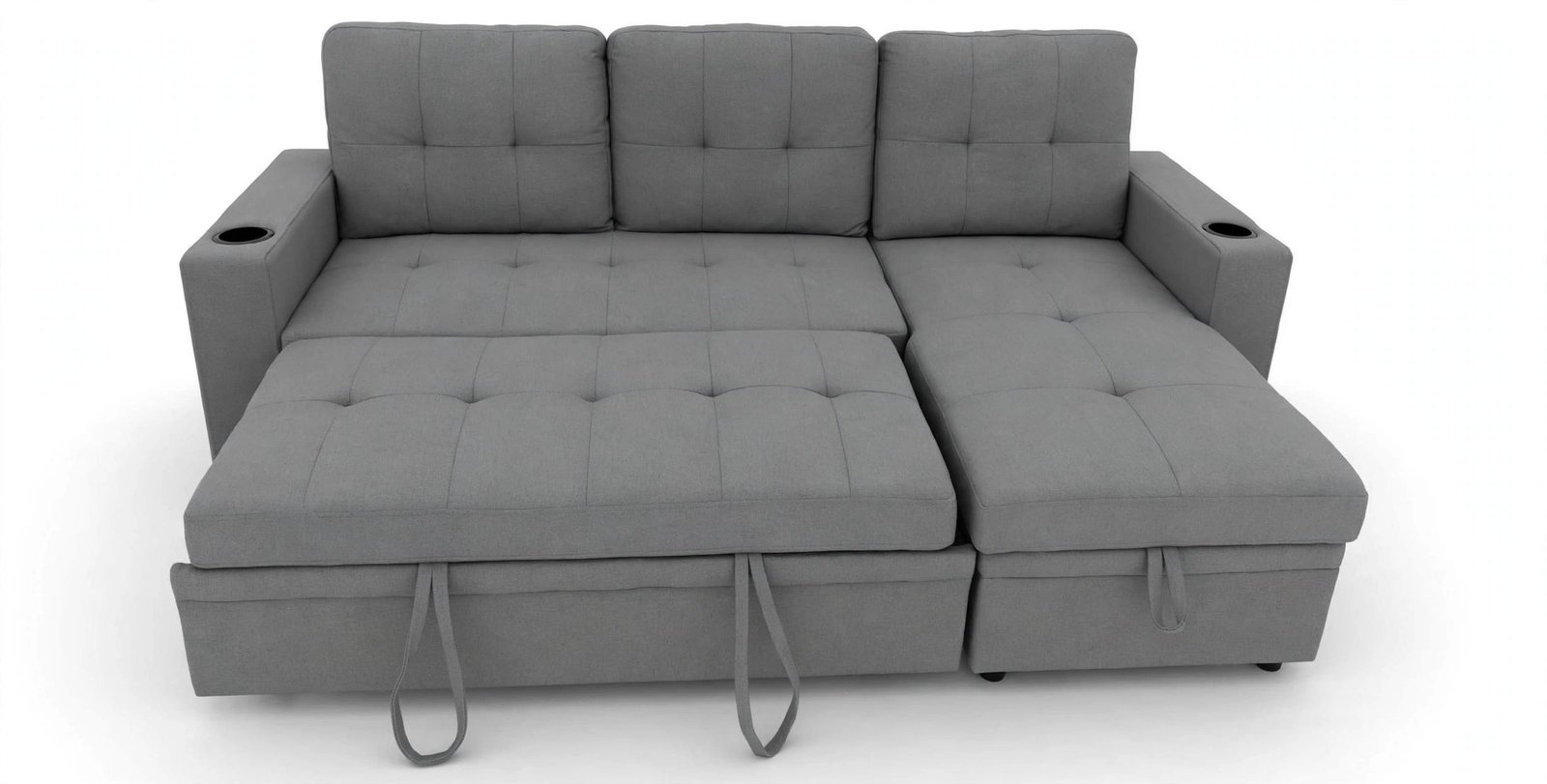
Sectional sofa under $1,500 in an Ontario living room

Furnishing a Rental or Airbnb in Ontario: Durable Pieces That Survive Guest Turnover

Furnishing a rental or a short-stay property is a different job from furnishing your own home. Your own sofa only has to survive your household. A rental sofa has to survive strangers: different people every week, luggage dragged across the floor, coffee on the cushions, and nobody who feels responsible for a stain. Most furnishing checklists online are written for luxury hosts or American readers, with no Ontario prices and no answer to the real question, which is what to buy so the place still looks good after twenty guest turnovers. Here is the practical version, with real Cozy Ontario models and prices checked November 2026.

Start with what guests break first

Guests judge a property in the first minute: the bed, the sofa and the dining table, in that order, because those are the pieces in the listing photos and the pieces they use most. Spend where wear is heaviest and photos are taken, and save on pieces guests barely touch. Choose wipe-clean surfaces in the living room, a mattress guests will actually sleep well on, and a dining set that seats the number of guests the listing promises. Avoid pale fabrics, delicate piles and anything you would be upset to replace. A rental is not the place for a precious piece; it is the place for a sturdy piece that can be wiped, flipped or replaced cheaply.

Living room: wipe-clean, and sleep an extra guest

The living room sofa should be the easiest piece in the property to clean between guests. A leather-look finish wipes down in minutes, which matters when turnover day is tight. Our fabric vs leather-look guide explains the cleaning difference in full. The second living-room decision is sleep capacity: a sofa bed turns a one-bedroom listing into a place that sleeps an extra person or a small family, without a second bedroom. The 1515 Sofa Bed With Arms is $330 in velvet, a click-clack model that folds flat in seconds, which is exactly what a guest needs at midnight without instructions. Our guide to sofa beds under $500 compares the budget options, and our sofa bed versus futon guide explains which mechanism suits regular guests. Browse the full Sofa Beds and Sleeper Sofas range for more sizes.

Dining: one sturdy set that seats everyone

A rental dining set needs to seat every guest the listing promises, survive daily use, and clean up after every meal. A small table that seats two in a four-guest listing is a complaint waiting to happen. The Max 4 Piece Dining Table in Espresso is $430, a compact four-piece set in MDF wood with a 36 by 36 inch table, a sensible size for a condo dining corner. If the property sleeps more guests, size the table up before you list: guests notice a missing chair faster than they notice a plain table. Browse the full Dining range to match the set to the guest count. Keep a washable tablecloth or placemats in the property; they cost little and save the tabletop from the worst of it.

Bedroom: the photo, the sleep, and the turnover

The bedroom sells the listing, so it should look finished in photos: a matching bed and storage, neutral bedding, and nothing broken or mismatched. Bedroom sets on the site start from $1,299 for coordinated six- and eight-piece combinations, which is the fastest way to make a bedroom photograph well without hunting for matching pieces one by one — count the pieces on the product page rather than going by the headline, and measure the wall space for the dresser and mirror as well as the bed. For the mattress, do not buy the cheapest option and hope guests will not notice: guests notice poor sleep and write about it. Our mattress choosing guide explains coil, firmness and size, and our mattress sizes guide covers Canadian sizes. Keep two full sets of bedding per bed in the property so turnover does not wait on laundry, and use a mattress protector on every bed — it is the cheapest insurance in the whole property.

A starter budget, and the turnover checklist

As a rough starter picture, a living room anchored by the Chottu Fabric 3 Seater with Ottoman in Grey at $450, a sofa bed at $330 for extra guests, and a dining set at $430 puts the main living and dining pieces at about $1,210 before the bedroom, all in CAD at final cash-on-delivery prices. That is a realistic starting point for a small Ontario rental, not a luxury fit-out, and it leaves room to add a bedroom set and mattress to taste. Before the first guest, walk the property with this checklist: every seat promised has a chair, every bed has a protector and two bedding sets, the sofa bed mechanism has been tested, spare light bulbs and a basic cleaning kit are in place, and the Wi-Fi and house instructions are printed, not just messaged. Our new apartment checklist covers the same room-by-room thinking for a first home, and much of it transfers directly to a rental.

Setting up a rental or short-stay property in Ontario? Message Cozy Ontario on WhatsApp at +1 226-336-0249 with the property size and guest count, and we will confirm the right pieces and prices before you order. Delivery is available all over Ontario, with fast delivery across the GTA, and you can inspect your order before you pay by cash on delivery.

Prices checked November 2026.

2406 Reversible – White

How to Clean a Leather-Look Sofa: A Plain Guide for Ontario Homes

Most leather sofa guides are written for real leather, and that is the first trap. Real leather is a skin that dries out and needs conditioning. Leather-look, also called faux leather, PU or air leather, is a synthetic surface: it does not need feeding, it does not absorb conditioner the same way, and some products made for real leather can leave it sticky or dull. Cozy Ontario sells leather-look, never pure leather, as our guide to real versus leather-look explains plainly. So this guide covers only the material we actually sell, with the cleaning routine that suits it, and the mistakes that damage it.

Start by confirming what you have

If your sofa is from Cozy Ontario, check its product page for the material: PU, leather faux or air leather all mean a synthetic leather-look surface. If you bought elsewhere and are unsure, look at the surface closely. Leather-look has a very even grain pattern that repeats, and it feels uniformly smooth and slightly cool. Real leather has natural variation, pores and creases that do not repeat. When in doubt, test any cleaner on a hidden spot first, such as the back or the underside of a cushion, and wait for it to dry before touching a visible area. That one test prevents most cleaning disasters.

The weekly routine: dust, wipe, dry

Leather-look needs far less work than fabric, which is exactly why many Ontario households choose it. Once a week, dust with a dry microfibre cloth, getting into seams and creases where grit collects and slowly wears the surface. Then wipe with a cloth dampened with plain warm water, wrung out well, working one cushion at a time and drying each section with a second dry cloth as you go. Do not leave the surface wet: standing water can seep into seams and stitching, and it leaves marks if it dries unevenly. Keep the sofa out of strong direct sunlight and away from radiators and heat vents. Heat and sun dry out and crack a synthetic surface over time, and a sofa parked against a winter radiator will age visibly faster than one kept a step away from it.

Spills: blot first, then a mild clean

Blot a spill straight away with a clean, dry cloth. Do not rub, because rubbing spreads the stain and can wear the surface finish. For most everyday spills, a cloth dampened with warm water and a tiny amount of mild dish soap is enough: wipe gently, then wipe again with a cloth dampened with plain water to remove soap residue, then dry. Soap left on the surface attracts dust and leaves a dull film, so the plain-water wipe matters. For grease, sprinkle baking soda or cornstarch on the spot, leave it for about twenty minutes to absorb the oil, brush it off gently, then wipe as above. For ink, dab — never scrub — with a cloth lightly dampened with rubbing alcohol, changing to a fresh section of the cloth as the ink lifts, and stop if the colour starts to transfer from the sofa itself. For pet accidents, blot up as much as possible first, then clean with a mild soap solution and dry thoroughly.

What never to use on leather-look

Do not use bleach, ammonia-based cleaners, abrasive scouring pads, or furniture polish on a leather-look sofa. These strip or scratch the surface coating, and the damage cannot be polished back. Do not use real-leather conditioner, oils or waxes unless the care label for your exact model says to: on a synthetic surface they usually sit on top as a sticky layer that attracts dust, rather than soaking in. Do not use steam cleaners or soak the cushions, and do not put a leather-look cover in a hot dryer. In an Ontario winter, the most common damage is not a stain at all: it is road salt and grit ground into the seat from coats and boots. Brush dried mud off gently once it has dried, rather than wiping wet mud across the surface, and vacuum the base and lower cushions regularly.

When to stop and call a professional

Call a professional cleaner for large dye-transfer marks, such as dark jeans staining a light sofa over months, for cracking or peeling that is spreading, or for any stain that survives two gentle attempts. Stop straight away if the surface starts to feel sticky, discoloured or rough — that is a sign the cleaner is too strong for the coating. A professional can tell you whether the coating itself is worn, in which case cleaning will not restore it, and that is also the honest moment to consider a replacement. Our fabric sofa cleaning guide covers the other half of the range, for households deciding between the two finishes.

Leather-look models at Cozy Ontario

The Speedy Leather Faux Sofa Set 3 + 2 + 1 in Black and Red is $1,150, a full three-piece set in leather faux, so the whole living room follows the same simple wipe-down routine. At the larger end, the 2502 Reversible in Black PU is $1,950, a large reversible sectional in a wipe-clean PU finish for a family living room. Browse the full Sofas & Sectionals range to compare leather-look and fabric models side by side. Every price is in CAD and is the final cash-on-delivery price.

Not sure whether your sofa is leather-look or fabric, or which cleaner is safe for it? Message Cozy Ontario on WhatsApp at +1 226-336-0249 with a photo of your sofa and its care label, and we will help you pick a safe cleaner. Delivery is available all over Ontario, with fast delivery across the GTA, and you can inspect your order before you pay by cash on delivery.

Prices checked November 2026.

Speedy – Leather Faux Sofa Set 3 + 2 + 1 – White

Best Pet-Friendly Sofas in Ontario: Fabrics That Survive Dogs, Cats and Muddy Paws

A pet does not ruin a sofa on purpose. It ruins it the same way every day: claws catching a loose weave as it jumps up, fur working its way into a pile, muddy paws after a wet walk in a Toronto winter, and the occasional accident on a cushion nobody was watching. No sofa is truly pet-proof, and any guide that promises one is selling something. What you can do is pick a material whose weaknesses do not match your pet’s habits, and a colour that forgives the mess between cleans. Here is how the materials Cozy Ontario actually sells compare, with real models and prices checked November 2026.

The quick answer: match the material to the pet

If your main problem is shedding and mud, a smooth leather-look surface is the easiest life. Hair sits on top instead of weaving in, and mud wipes off once it dries. If your main problem is a cat that scratches, a tightly woven hard fabric is usually the safer bet, because there is less for claws to hook into than a raised pile, and a scratch mark shows less than a puncture in a smooth surface. If your main problem is a dog that digs and nests before lying down, avoid velvet and other soft piles: they trap hair, show wear quickly, and are the hardest to restore once the pile is flattened. Colour matters as much as material. A mid-tone grey or brown hides light and dark fur far better than white or black, which show every hair.

Leather-look: the easiest to clean, the easiest to puncture

Leather-look, also called faux leather, PU or air leather, is a smooth synthetic surface. That smoothness is its whole advantage with pets: fur does not weave into it, drool and mud do not soak in straight away, and a weekly wipe with a damp cloth keeps it presentable. Our fabric vs leather-look guide explains the wider trade-offs between the two finishes. The honest weakness is claws. A cat’s claw will not tear through a leather-look surface the way it can shred a loose weave, but it can leave small puncture marks, and those marks are more visible on a smooth surface than on a textured one. Leather-look suits homes with dogs, older cats that do not scratch furniture, and anyone who values a fast clean over a soft feel. One plain fact about our range: Cozy Ontario sells leather-look, never pure leather, so you are not paying a genuine-leather price for a pet sofa.

Hard fabric: the forgiving middle ground

A hard, tightly woven fabric is the best compromise for a mixed household, especially one with a cat. The weave is dense enough that claws slide over it rather than hooking a loop, and a mid-tone colour disguises fur between vacuums. The trade-off is cleaning: fabric absorbs spills and accidents instead of shedding them, so a stain needs blotting straight away, and pet odour builds up if the sofa is never vacuumed properly. Our fabric sofa cleaning guide walks through care codes, blotting and stain-by-stain steps. If you choose fabric, vacuum weekly with an upholstery attachment, keep a washable throw on your pet’s favourite seat, and trim your pet’s nails regularly — that one habit prevents more damage than any fabric choice.

Velvet: beautiful, but think twice with pets

Velvet looks and feels luxurious, and it is tempting in a showroom. With pets it is the highest-maintenance choice of the three. Hair clings to the pile, claws catch the nap, and muddy paw prints show clearly on a smooth pile. Velvet can still work if your pet is small, calm and rarely allowed on the sofa, or if you are happy to brush and vacuum it often. For a large dog, a shedding breed, or a cat that kneads, velvet will look tired sooner than the other materials, and no cleaning routine fully reverses a flattened pile. Buy velvet because you love it and accept the upkeep, not because you expect it to be practical.

Three real models, three different pet households

For a dog household that wants the easiest clean, the Speedy Leather Faux Sofa Set 3 + 2 + 1 in Black and Red is $1,150. It is a full three-piece leather-look set, so the whole living room wipes down the same way, and the dark colour hides mud between cleans. For a smaller home or a cat household on a budget, the Chottu Fabric 3 Seater with Ottoman in Grey is $450. It is hard fabric in a mid-tone grey that disguises fur, seats three, and comes with an ottoman your pet will probably claim first. For a family living room where comfort matters more than pet practicality, the 2505 Reversible Sectional in Grey is $1,050 in velvet, a full L-shaped sectional with a reversible chaise — a lovely sofa, but go in knowing velvet needs more brushing and vacuuming than the other two. Browse the full Sofas & Sectionals range to compare finishes and colours side by side. Every price is in CAD and is the final cash-on-delivery price.

Still unsure which finish fits your pet? Message Cozy Ontario on WhatsApp at +1 226-336-0249 and tell us whether you have a dog or a cat, whether it scratches or sheds most, and your room size, and we will confirm the right model and price before you order. Delivery is available all over Ontario, with fast delivery across the GTA, and you can inspect your order before you pay by cash on delivery.

Prices checked November 2026.

Sofa bed in a living room in Ontario

Sofa Bed vs Futon vs Pull-Out Couch: What’s the Difference?

Sofa bed, futon and pull-out couch are three names shoppers use for the same thing — a sofa you can sleep on. They are not the same thing. The difference is the mechanism: how the sofa turns into a bed, how thick the mattress is, and how comfortable it is to sit on every day. Get the mechanism wrong and you get a bed that is too hard, a sofa that is too low, or a conversion you dread doing at night. Here is how to tell them apart, and what Cozy Ontario actually sells in each style, with prices checked November 2026.

Quick answer

TypeHow it becomes a bedMattressBest forWatch out for
Pull-out couchSlides out from under the seatThick, proper mattressRegular guests, small apartmentsNeeds clear floor in front
FutonPad folds flat on a frameThin pad, not a mattressOccasional guests, tight budgetsLow seat, thin sleep surface
Click-clack sleeperBack clicks down flatThin mattressEveryday sofa, occasional bedNot ideal for nightly adult sleep

Pull-out couch: the proper bed

A pull-out couch hides a real mattress inside the sofa. Pull a handle or a strap and the bed slides out and up to seat height. The mattress is thick enough for a regular guest, and the sofa itself sits at normal sofa height, so it works as an everyday seat. The trade-off is floor space: you need clear room in front of the sofa for the bed to come out, and the mechanism adds weight. The 2508 Pullout Bed in Black is $800 and the 2601 Pullout Bed is $800 — both full pull-out beds with a mattress, priced for a guest room or a small apartment where the bed is used regularly. If budget is the main question, our guide to sofa beds under $500 compares the options in that range, and our sofa beds with storage guide explains which models add drawers or lift-up storage under the seat. Browse the full Sofa Beds and Sleeper Sofas range to compare sizes and colours. Every price is in CAD and is the final cash-on-delivery price.

Futon: the pad on a frame

A futon is not a sofa with a hidden mattress. It is a thick pad on a slatted frame. Fold the frame up and the pad forms a seat and a backrest; lay it flat and the pad is the bed. There is almost nothing to break, and futons are usually the cheapest option, but the pad is thin, the seat is low, and nightly sleep on a futon suits lighter sleepers better than heavier adults. Honest note: Cozy Ontario sells no product labelled as a futon. If you want a futon-style pad on a folding frame, the closest things in the range are the simple 1515 sleeper models below, which are proper click-clack sofas with a thin mattress, not a traditional futon pad.

Click-clack sleeper: the everyday compromise

A click-clack sofa looks like a normal two-seater. Click the backrest down and it lies flat as a bed, with no separate mattress to pull out and no frame to unfold. That makes it the easiest conversion of the three, and a good everyday sofa. The compromise is mattress thickness: it is thin, so it suits occasional guests better than nightly sleep. The 1515 click-clack is the workhorse of the range. The 1515 Sofa Bed With Arms is $330 and the 1515 Sofa Bed Without Arms is $300. The listed sleeper dimensions are 73.62 inches long by 37.79 inches wide. In sofa mode it is a compact two-seater; click the back down and it becomes a flat sleeping surface. The mattress is thin, so it suits a guest staying a night or two, a child, or a small apartment where the sofa is used every day and the bed is used occasionally. For a heavier adult sleeping nightly, a proper pull-out with a thicker mattress, such as the 2508 or 2601 below, is a better choice.

Which one should you buy?

Choose a pull-out if guests stay often and you have clear floor in front of the sofa. Choose a futon-style or click-clack sleeper if the sofa will be used every day and the bed only occasionally, and budget or space is tight. Do not buy a thin click-clack or futon pad as a permanent bed for a heavy adult — it will feel hard within a few nights. Measure the bed when it is fully open, not just the sofa when it is closed, and check the route in with our measuring guide for doors, hallways and elevators.

Still unsure which mechanism fits your home? Message Cozy Ontario on WhatsApp at +1 226-336-0249 and tell us how often the bed will be used, who will sleep on it, and your room size, and we will confirm the right mechanism and price before you order. Delivery is available all over Ontario, with fast delivery across the GTA, and you can inspect your order before you pay by cash on delivery.

Prices checked November 2026.

1866 sofa bed – Grey

How to Clean a Fabric Sofa: A Plain Guide for Ontario Homes

A fabric sofa takes everything a household throws at it: coffee, pet hair, road salt in winter, crumbs in the seams, and the slow build-up of body oils on the armrests. Most cleaning damage does not come from the stain — it comes from the cleaning itself: scrubbing too hard, soaking the fabric, or using the wrong cleaner for the fabric type. Here is the plain, safe way to do it, plus the real fabric and velvet sofas Cozy Ontario sells, with prices checked November 2026.

Start with the care label, not the cleaner

Every fabric sofa has a care code, usually on a tag under a cushion or on the frame. W means water-based cleaners are safe. S means solvent-based cleaners only — do not use water. WS means either water-based or solvent-based cleaners are safe. X means vacuum only; do not use liquid cleaners at all. If you cannot find a code, test any cleaner on a hidden spot first, such as the back or the underside of a cushion, and wait for it to dry before you clean the visible area. A fabric sofa with a removable cover is easier: take the cover off and wash it exactly as the label says, and let it air-dry away from direct heat. Do not put a fabric cover in a hot dryer unless the label clearly allows it — heat shrinks and stiffens many fabrics.

The weekly routine that actually helps

Vacuum once a week with an upholstery attachment, working in straight lines and paying attention to seams and crevices where crumbs collect. A soft brush or lint roller lifts pet hair between vacuums. Rotate loose cushions so one side does not fade or sag first. In Ontario winters, vacuum road salt off the base and lower cushions promptly — salt crystals are abrasive and they draw moisture into the fabric if left sitting. Keep the sofa out of strong, direct sunlight, which fades fabric over time, and keep it away from radiators and heat vents, which dry the fibres and make them brittle.

Spills: blot, never rub

Blot a spill straight away with a clean, dry cloth. Do not rub, because rubbing pushes the stain deeper, spreads it wider, and can damage the weave or pile. Work from the outside of the stain toward the centre, so you do not spread it. If the care code allows water, use a lightly damp cloth with a small amount of mild, fabric-safe cleaner, then rinse by blotting with plain water. Let the area air-dry completely before you sit on it again — sitting on a damp cushion pushes moisture into the padding and can leave a musty smell. If the code is S or X, do not use water at all; blot dry and use only a cleaner made for that code, or call a professional.

Stain by stain, in brief

  • Coffee or tea: blot, then dab with water and a small amount of white vinegar if the code allows water, then blot again with plain water.
  • Grease: sprinkle baking soda or cornstarch on the spot, leave it for 20 minutes to absorb oil, vacuum it off, then dab with a mild cleaner if needed.
  • Ink: dab with rubbing alcohol on a clean cloth, changing to a fresh section of the cloth as the ink lifts. Do not scrub.
  • Pet accidents: blot up as much as possible, clean with an enzyme cleaner made for pet stains, and let it air-dry.
  • Mud: let it dry completely first, vacuum off the loose dirt, then clean the remaining mark with a mild cleaner if the code allows it.
  • Road salt: vacuum thoroughly, then dab with a lightly damp cloth if the code allows water, and let it air-dry.

When to stop and call a professional

Call a professional cleaner for set-in stains, large water marks, any fabric that smells musty after cleaning, or any sofa with an X code that needs more than vacuuming. Stop straight away if the fabric starts to pucker, fade, feel stiff, or change colour — that is a sign the cleaner is too strong for that weave. Do not use bleach or steam on a fabric unless the label clearly allows it. Keep the care label for future reference; photograph it when you buy the sofa so you have it even if the tag falls off.

For more on fabrics, our fabric vs leather-look guide explains when wipe-clean seating beats soft fabric, and our corduroy care guide covers how to brush and vacuum a ribbed pile without flattening it.

Fabric and velvet models

A leather-look sofa is easier to wipe down, so it fits homes that want wipe-clean seating. Check what our Chottu Fabric 3-Seater With Ottoman in Grey currently costs — $450 — before you choose between fabric and leather-look. A velvet-look sofa has a softer, richer pile that suits a formal living room, while a corduroy sofa has a ribbed texture that hides light marks. Read our guide to 2505 Reversible Sectional in Grey — $1,050 in velvet — before you pick a ribbed fabric. A fabric bed is a different buy: it is chosen for a bedroom, not for living-room seating, so check what our 1515 Sofa Bed With Arms — $330 in velvet — currently costs before you compare it with a sofa. Browse the full Sofas & Sectionals range to compare layouts and colours side by side. Every price is in CAD and is the final cash-on-delivery price.

If you are still deciding, message us on WhatsApp with a photo of the stain and your sofa’s care label — we can help you pick a safe cleaner. Prices were checked live on 2026-11-02 and are in CAD, the final cash-on-delivery price.

2406 Reversible – White

Extra Deep Sectionals in Ontario: How to Judge Deep Seating Before You Buy

Search for an extra deep sectional and you will find plenty of photos of people sunk happily into enormous cushions — and very little help working out whether that depth will suit you. Deep seating is wonderful for lounging and terrible for sitting upright at a table, and the difference comes down to a few inches. Here is how to judge it properly, and what Cozy Ontario actually sells in the deep, lounge-style range, with prices checked November 2026.

Seat depth is not the same as overall depth

The first trap is the measurement itself. A product listing may give the overall depth of the piece — front of the seat cushion to the back of the frame — while what your body feels is the seat depth, measured from the front edge of the cushion to the backrest. Seat depth is always smaller than overall depth, because the backrest and frame take up room behind it. When you compare two sectionals, compare the same measurement. If a listing only gives overall depth, treat it as a size guide for your room, not as a comfort promise — and ask the seller for the seat depth before you order. Message Cozy Ontario on WhatsApp at +1 226-336-0249 and we will confirm the measurements of the exact model you are considering.

What counts as deep?

As a rough guide, a standard sofa seat is about 21 to 23 inches deep (53 to 58 cm). That suits sitting upright, feet on the floor, reading or eating. A deep seat is roughly 25 inches (64 cm) or more. At that depth, most adults cannot sit with their back against the backrest and their feet flat on the floor at the same time — which is exactly the point if you plan to curl up, stretch out, or lie across the seat. Deep seating is lounge seating: great for movie nights, naps and long evenings, less practical as the only seat at a dining-height table or for someone who prefers a firm, upright sit. Shorter people and older guests often find very deep seats uncomfortable without extra cushions behind their back, so test the idea with cushions on your current sofa before committing.

Depth is only half the comfort story

Cushion firmness matters as much as depth. A deep seat with soft, low-density cushions feels like sinking in; the same depth with firmer cushions feels supportive and is easier to get out of. Fabric matters too: a smooth leather-look surface lets you slide into a lounging position easily, while a textured fabric like corduroy grips a little more and holds you in place. And the chaise changes everything — a sectional with a long chaise already gives you a place to stretch your legs, so you may not need the deepest seat cushions as well. Think about how you actually spend evenings: upright with a book, half-reclined watching television, or fully stretched out. Buy for the position you use most, not the one in the photo.

The room check for a deep sectional

Deep sectionals take more floor than their footprint suggests, because you need room to walk around them and to pull out a chaise or sleeper section if the model has one. Measure the wall lengths the sectional will sit against, then leave a clear walkway of at least 30 inches (76 cm) in front of the seats. Then check the route in: our measuring guide covers doors, hallways and elevators, because a sectional that fits the living room but not the hallway is a problem you discover too late. If space is tight, our guide to sectionals for small Toronto condos explains which layouts work when every inch counts, and our left-facing vs right-facing guide shows how to get the chaise on the correct side.

What Cozy Ontario sells in the deep, lounge-style range

At the top of the range for size, the Luxury U Shape Corduroy in Black is $1,650. Its overall dimensions are 1.63 metres deep by 3.1 metres wide — a genuinely large, lounge-first U-shape that seats a whole family and suits an open living room, not a small condo. The 2502 Reversible in Black PU leather-look is $1,950, a large reversible sectional with USB and Type-C charging ports, for buyers who want a substantial piece in a wipe-clean leather-look finish. In the mid-range, the 2505 Reversible Sectional in Grey is $1,050 and the 2406 Reversible in Grey is $1,200 — full L-shaped sectionals with a reversible chaise, a better fit when you want lounge comfort without giving up the whole room. Browse the full Sectional Sofas range to compare layouts and colours side by side. Every price is in CAD and is the final cash-on-delivery price.

Before you buy deep, do this one test

Sit on your current sofa, put a firm cushion behind your back, and slide forward until your feet are flat on the floor. That gap between your back and the backrest is roughly the extra depth a deep seat adds. If that position feels relaxed, deep seating will suit you. If it feels like you are perched on the edge, choose a standard depth and add a chaise or ottoman for stretching out instead. A sectional you can sit on comfortably every day beats a deeper one you only enjoy for the first week.

Want help matching a deep sectional to your room and your height? Message Cozy Ontario on WhatsApp at +1 226-336-0249 with your room dimensions and how you like to sit, and we will confirm the right model and price before you order. Delivery is available all over Ontario, with fast delivery across the GTA, and you can inspect your order before you pay by cash on delivery.

Prices checked November 2026.

Eva - Wooden Dining Table - 7 Piece

What Size Dining Table Fits Your Room? Seats, Shape and Clearance

Most people choose a dining table by how it looks in a photo. Then it arrives, and the chairs cannot pull out, or nobody can walk behind a seated guest, or the table seats four when six people eat there every Sunday. The fix is simple: work out the size from the seats and the room, not from the photo. Here is how, with real Cozy Ontario dining sets at each size, prices checked November 2026.

The two numbers that decide everything

First, allow about 24 inches (61 cm) of table edge per seated person, so elbows and place settings do not overlap. Second, leave at least 36 inches (91 cm) of clearance from the table edge to the wall or the nearest furniture, so chairs can pull out and someone can walk behind a seated diner. If people regularly walk behind seated guests, 42 to 48 inches is more comfortable. Measure your room, subtract the clearance on both sides, and what is left is the largest tabletop that will actually work.

Seats and table sizes at a glance

For a rectangular table: 4 seats need roughly 48 inches long, 6 seats about 72 inches, and 8 seats about 96 inches. For a round table: 4 seats suit a 42 to 48 inch diameter, 6 seats a 54 to 60 inch diameter, and 8 seats a 60 to 72 inch diameter. A square table seats 4 at about 36 inches square and 6 at about 48 inches square. These are planning guides, not exact rules — wide armchairs, a thick table base or generous place settings all push the size up — but they stop the most common mistake, which is buying a table for the number of chairs in the photo rather than the number of people who will eat there.

Shape: rectangle, round or square?

Rectangular tables are the most adaptable: they fit long rooms, seat the most people per foot of length, and suit everyday family meals. Round tables are best for conversation and square rooms, because everyone faces each other and there are no corners — but they take more floor per seat as they grow. Square tables suit small, square rooms and four diners, but they scale badly beyond six. If your room is long and narrow, choose rectangular. If it is square and you host conversation-first dinners, consider round.

What Cozy Ontario actually sells at each size

For four seats, the T 1520 Marble 4 Seater Dining Set is $400, and the Max and Coco 4-piece dining tables are $430. These suit a condo dining corner or a small kitchen nook, and they are the right answer when four is genuinely your everyday number — not when six people eat there every weekend. For six seats, the Modern 6-Seater Rectangular Dining Set in Grey is $640, a straightforward rectangular six-seater for a family dining room. For larger gatherings, the Eva Wooden Dining Table 7 Piece is $730, the 7-Piece Dining Set in Oak is $1,350, and the Marble Dining Table with 7 Chairs is $1,650. Browse the full Dining range to compare them side by side. Every price is in CAD and is the final cash-on-delivery price.

The room check, step by step

Measure the room’s length and width, measuring to cabinets or other furniture, not just to the walls. Subtract 72 inches (36 inches of clearance per side) from each dimension. The result is your maximum tabletop footprint. Then check the route in: our measuring guide covers doors, hallways and elevators, because a table that fits the dining room but not the hallway is a problem you discover too late. If you are furnishing a genuinely small space, our guide to dining sets for small spaces covers the compact picks under $599 in more detail.

Common mistakes to avoid

Buying for guests you host twice a year instead of the people who eat there daily — a table that is too big for everyday use is worse than one that is snug at Christmas. Forgetting the bench: a bench seats more people per foot than chairs, but it needs the same pull-out clearance. And ignoring the rug: if the table sits on a rug, the rug must be large enough that chairs stay on it when pulled out, which adds roughly 48 inches to each rug dimension versus the tabletop. Measure the rug, not just the table.

Choose the seat count first, the shape second, and the style last. A table that seats your household comfortably, with room to pull out chairs and walk behind them, will look right in any style — and a beautiful table that does not fit will not.

Want help matching a table to your room? Message Cozy Ontario on WhatsApp at +1 226-336-0249 with your room dimensions and how many people eat there most nights, and we will confirm the right set and price before you order. Delivery is available all over Ontario, with fast delivery across the GTA, and you can inspect your order before you pay by cash on delivery.

Prices checked November 2026.

Search products
Back to Top
Product has been added to your cart
Compare (0)